



Athens Excursions » Marathon
More about Athens & Attica
AthensAncient Athens
Ancient Agora
Museums
Walks in Athens
Plaka
Syntagma area
Lycabettus
Entertainment
Nightlife
Shopping
Excursions
Athenian Riviera
Mount Parnitha
Kaisariani Monastery
Daphni Monastery
Marathon
Piraeus
Porto Germeno (Aegosthena)
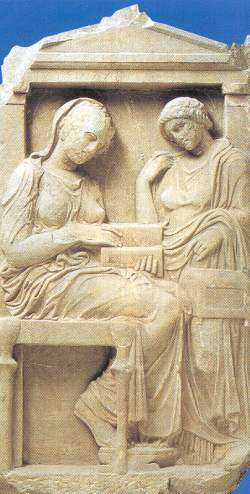
The stele of Pausimache
2nd - Marathon Museum:
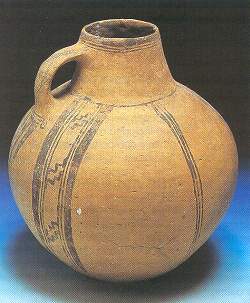
Pot from the cave of Pan
Marathon - A trip to Maraihon and a visit to the archaeological site and its Musewn is one of the things you must do when in Athens. Maraihon is still one ofAttica's loveliest spots, as you are bound to find out long before you reach your destination. The road passes through v~table gardens, vineyards, olive groves and wild vegetation which are nature's contribution to the uniqueness of this land. There are many lovely beaches where you can swim and sunbathe. The most renowned of them all is the beautiful shinias beach, where the pine woods end almost where the sand begins. Your trip to Marathon can be combined with a visit to the archaeological site of Ramnous which is only 12kms away.
The battle of Marathon - The main source of information about the battle of Marathon is the ancient historian Herodotus. According to him, the Persian fleet landed 100,000 troops in Marathon, in the year 490 B.C. Against this huge army there were only 11,000 Greek soldiers (10,000 Athenians and 1,000 from Plataia). The Greeks were victorious, thanks to an ingenious plan of the Greek army commander, Miltiades. Following the heroic victory, Pheidippides, an Athenian soldier who was dispatched to bring the good news to the city, ran all the way from the battlefield to the Athenian Agora. He collapsed and died immediately after he delivered his one word message: Nenikikamen (We have won). Pheidippides' run is the event which today's Marathon runs commemorate and which is symbolised by the falling ceremony at each Olympic Games.
The Marathon Tomb - Near the ancient battleground, and at a distance of about 1km from the road to Marathon, you will find the single tomb of the 192 Athenian soldiers who died during that famous battle. On the other side of the road, about 5kms away, stands the tomb where the dead Plataians, who helped the Athenians, were buried.
The Marathon Museum - The Museum is small but, apart from the finds from the nearby sites, it houses exhibits from other places and different periods as well. Important finds from the Neolithic Age, like those found in the Cave of Pan in Oenoe, coexist with a collection of stelae, believed to date from the 2nd century AD.
Ramnus - Kato Souli. The archaeological site of Ramnous includes the remains of two temples. The Great one was dedicated to Nemesis, the goddess of divine justice, while the Little one was dedicated to Themis, the goddess of human justice. Both temples were erected in the 5th century BC. The name of the site is derived from the word ramnos, the name of the variety of bush covering the whole area. In ancient time, Ramnous was known for its port and its fortress. If you now feel that your visit to Marathon and Ramnous has sated your thirst for historical facts for a day, you can rest under the shade of the big pine tree by the temple and enjoy the view to Euboea and the Euboeic Gulf. It is one of these moments that only places as full of history and natural beauty as Greece, can offer their visitors.
Getting there - You can take the Paralia Marathonos bus, that departs from Mavromataion Street, near the Pedion tou Areos. Various tour operators organise daily visits to Marathon.
More about Athens & Attica
Walks in Athens » Plaka • Syntagma area • Lycabettus
Entertainment » Nightlife • Shopping
Excursions » Athenian Riviera • Mount Parnitha • Kaisariani Monastery • Daphni Monastery • Marathon • Piraeus • Porto Germeno (Aegosthena)

The travel guide to Greece


Contact: contact@thegreektravel.com Last update 26 April 2019